Net 30 Explained: What It Means, How It Works, and When to Use It
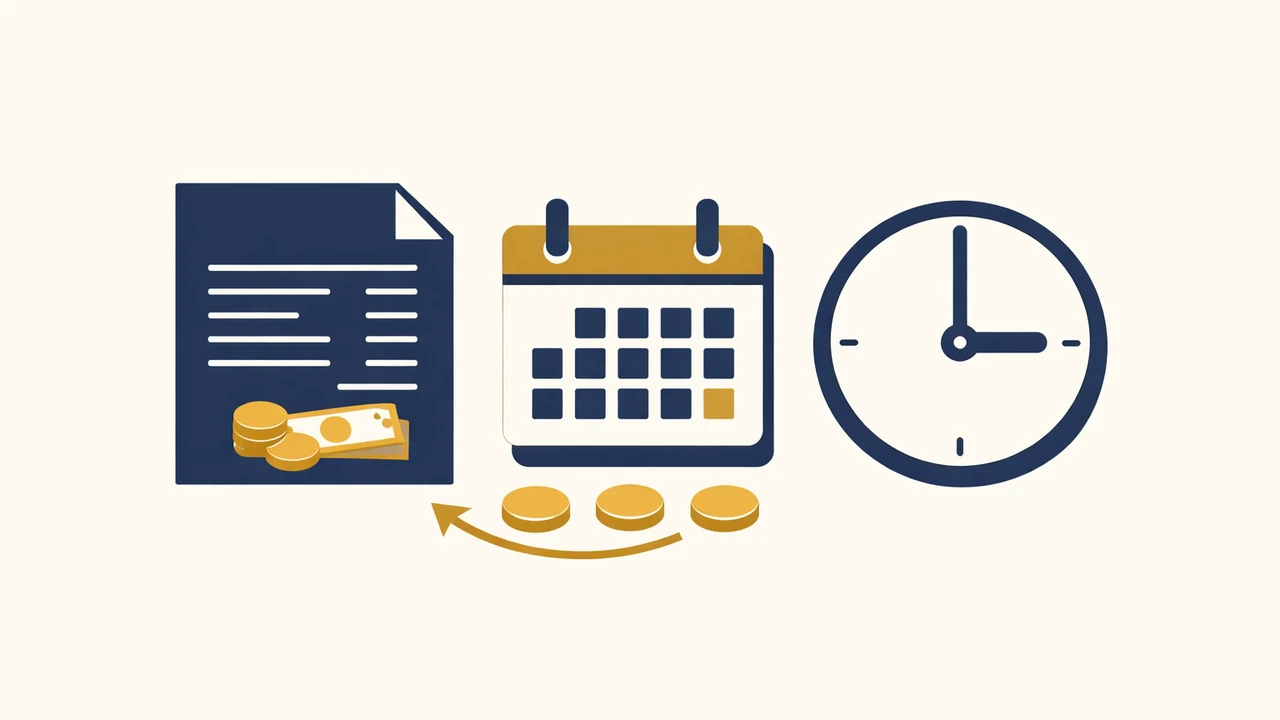
Net 30 means the full invoice amount is due within 30 days. The clock usually starts on the invoice date, not the delivery date. It is one of the most common payment terms in business, especially for business-to-business sales. Net 30 gives your customer short-term credit, and it gives you a clear deadline to collect.
This term shapes your cash flow, your client relationships, and how fast you get paid. Used well, net 30 wins you more clients. Used carelessly, it leaves your money sitting in someone else’s account.
What Does Net 30 Mean?
The “net” refers to the total amount owed on the invoice. The “30” refers to the number of days the buyer has to pay. So net 30 means the buyer must pay the full balance within 30 days.
You may also see it written as “n/30” in accounting records. Both mean the same thing. Net 30 is a form of trade credit, where you deliver first and collect payment later.
The days are counted as calendar days, not business days. That includes weekends and public holidays unless your agreement says otherwise. A customer invoiced on March 1 would have until March 31 to pay.
When Does the Net 30 Clock Start?
Most businesses start the 30-day count from the invoice date. This is the simplest and most common approach. It keeps your records clean and easy to track.
Some agreements use a different starting point. The trigger can be the delivery date, the completion of services, or the date the invoice is received. Each choice changes the real due date, so clarity matters.
| Start point | When the 30 days begin |
|---|---|
| Invoice date | The date printed on the invoice (most common) |
| Delivery date | When goods arrive or services finish |
| Receipt of invoice | When the customer actually receives the bill |
Spell out the trigger on every invoice to avoid disputes. A line like “Net 30 from invoice date” removes any doubt. Vague terms are the fastest way to a late payment.
Net 30 vs Net 15, Net 60, and Net 90
Net 30 is not the only option. The number simply changes with the payment window you offer. Shorter terms protect your cash flow, while longer terms attract bigger clients.
| Term | Payment due |
|---|---|
| Net 15 | Within 15 days |
| Net 30 | Within 30 days |
| Net 60 | Within 60 days |
| Net 90 | Within 90 days |
Freelancers and small vendors often prefer net 15 or net 30. Larger companies may request net 60 or net 90 as standard. Match the term to your cash position, not just the client’s request.
What Does Net 30 EOM Mean?
EOM stands for “end of month.” Net 30 EOM means payment is due 30 days after the end of the month in which you invoiced. The invoice date itself does not start the count.
Say you send an invoice on May 11 with net 30 EOM terms. The month ends on May 31. Payment is then due on June 30. This batching style suits businesses that process bills monthly.
2/10 Net 30 and Early Payment Discounts
A note like “2/10 net 30” adds an early payment discount to standard net 30 terms. The buyer gets a 2% discount for paying within 10 days. If they skip the discount, the full amount is still due in 30 days.
Here is how the numbers work on a $1,000 invoice:
- Pay within 10 days: take 2% off and pay $980
- Pay after 10 days but by day 30: pay the full $1,000
Sellers use these discounts to get paid faster and improve cash flow. Buyers use them to cut costs. The same formula appears with other figures.
| Notation | Discount | Discount window | Full payment due |
|---|---|---|---|
| 2/10 net 30 | 2% | 10 days | 30 days |
| 1/10 net 30 | 1% | 10 days | 30 days |
| 3/10 net 30 | 3% | 10 days | 30 days |
| 2/10 net 45 | 2% | 10 days | 45 days |
For buyers, taking the discount is usually worth it. Skipping a 2/10 net 30 discount costs roughly 37% on an annual basis. That is far more than most short-term financing.
Why Businesses Offer Net 30
Net 30 terms make your offer more attractive to buyers. Clients can receive goods or services before paying. That flexibility often wins deals against competitors who demand upfront payment.
The main benefits include:
- Larger client base, since more buyers can afford to work with you
- Stronger relationships built on trust and flexibility
- A professional, established image for your business
- A clear, documented deadline you can enforce
Net 30 also carries less risk than net 60 or net 90. You still extend credit, but the collection window stays short.
The Risks of Net 30
The biggest risk is cash flow. You cover your own costs while waiting up to 30 days for payment. For a small business or freelancer, that gap can hurt.
Other drawbacks to weigh:
- Late payers who push past the 30-day deadline
- Time spent chasing overdue invoices
- Money tied up that you could use elsewhere
- The cost of discounts if you offer early payment incentives
If your cash reserves are thin, shorter terms or a deposit may serve you better. Never offer credit you cannot afford to wait on.
How to Put Net 30 on an Invoice
Stating the term clearly is simple but important. Add “Net 30” in the payment terms section of your invoice. Then write out the exact due date so there is no confusion.
A clear terms line looks like this:
- Terms: Net 30
- Invoice date: October 1
- Payment due: October 31
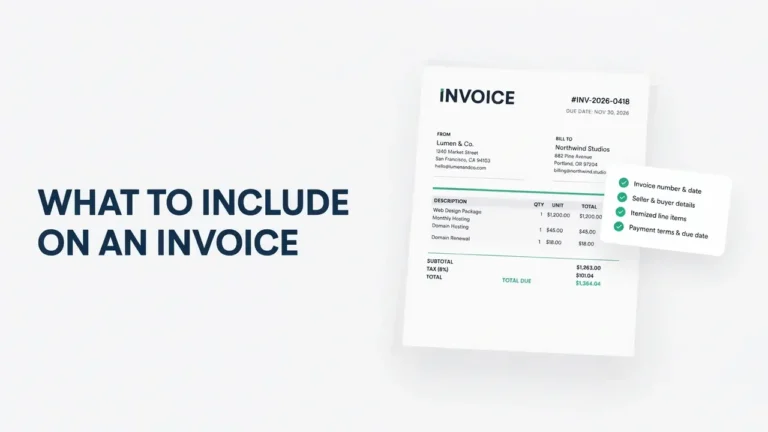
Always include both the term and the calendar date. For more detail on building the document itself, see our guide on how to write an invoice and what to include on an invoice. You can create one in minutes with our free invoice generator.
Net 30 Mistakes to Avoid
Small errors turn net 30 into late payments. Most problems trace back to unclear terms or slow invoicing. A few habits prevent them.
- Sending the invoice late, which delays the whole payment clock
- Leaving out the exact due date
- Failing to define the start date when it is not the invoice date
- Offering long terms your cash flow cannot support
- Skipping reminders before the due date
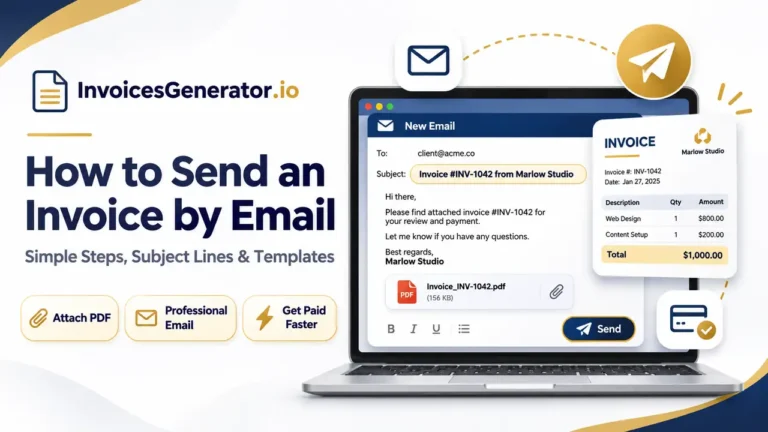
Send invoices right away so the clock starts on time. A short reminder a week before the deadline keeps payments on track. For email timing and wording, see how to send an invoice by email.
Frequently Asked Questions
Does net 30 mean 30 business days or calendar days?
Net 30 means 30 calendar days, including weekends and holidays. Business days are only used if your agreement states so clearly.
When does net 30 start?
Net 30 usually starts on the invoice date. Some agreements start it from the delivery date or the date the invoice is received. Always confirm the trigger on the invoice.
What is the difference between net 30 and 2/10 net 30?
Net 30 gives the buyer 30 days to pay the full amount. The 2/10 net 30 version adds a 2% discount for paying within 10 days. The 30-day deadline still applies if the discount is missed.
Can I charge a fee if a net 30 invoice is late?
Yes, if you state it in advance. Many businesses add a late fee or interest once payment passes the due date. Put the policy on your invoice or contract first.
Is net 30 good for a small business?
Net 30 works well if your cash flow can handle a 30-day wait. If it cannot, shorter terms or a deposit may protect your finances better.
Final Takeaway
Net 30 is a simple promise with real financial weight. The buyer gets 30 days of credit, and you get a clear deadline to collect. The term only works when you state it clearly, invoice fast, and follow up on time.
Pick the payment window that fits your cash flow, not just your client’s preference. Spell out the start date and the due date on every invoice. Handled with care, net 30 keeps both your clients and your cash flow healthy.