Invoice Payment Terms Explained: Types, Examples, and How to Set Them
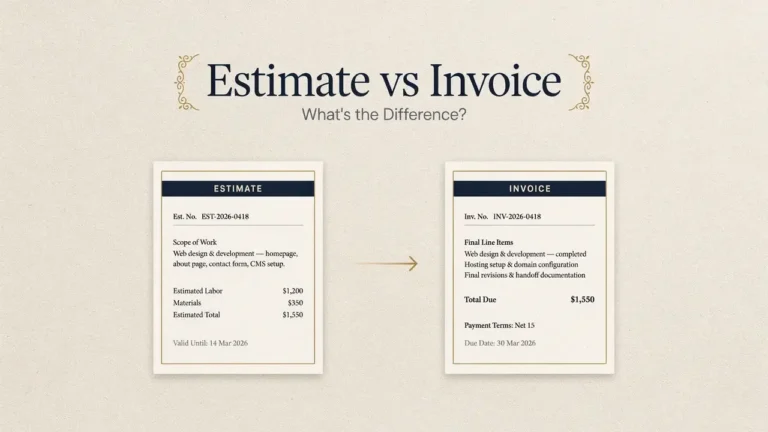
Invoice payment terms are the conditions you set for how and when a client pays. They state the due date, the accepted payment methods, and any discounts or late fees. Clear terms protect your cash flow and set professional expectations from the first invoice.
Most payment disputes start with vague or missing terms. A buyer who does not know the deadline will usually pay late. Setting the right invoice payment terms is one of the simplest ways to get paid faster.
What Are Invoice Payment Terms?
Payment terms outline how, when, and by what method your client pays an invoice. They turn a bill into a clear agreement with a deadline.
A complete set of terms usually covers four things:
- The due date or payment window, such as 30 days
- The accepted payment methods, like bank transfer or card
- Any early payment discount you offer
- Any late fee or interest for overdue payment
You set these terms before sending the invoice. Once the invoice is delivered, the terms usually cannot be changed without the client’s agreement. Agree them in your quote or contract first.
Why Invoice Payment Terms Matter
Payment terms decide when money actually reaches your account. That timing shapes your whole cash flow.
The numbers show why this matters. US small businesses wait an average of 28.7 days to be paid, and invoices arrive 9.1 days late on average. Many owners name late customer payments as their main cash flow problem.
Clear terms help in three ways:
- They forecast income, so you can plan expenses
- They reduce disputes, since the deadline is written down
- They give you legal standing if a payment turns overdue
Vague terms do the opposite. They invite delay and make chasing payment harder.
Common Invoice Payment Terms and Abbreviations
Most invoice payment terms use short codes. Once you know them, they are quick to read and apply. The table below covers the terms you will see most often.
| Term | Meaning |
|---|---|
| Due on receipt | Payment is due as soon as the client gets the invoice |
| Net 7 | Payment due 7 days after the invoice date |
| Net 15 | Payment due 15 days after the invoice date |
| Net 30 | Payment due 30 days after the invoice date |
| Net 60 | Payment due 60 days after the invoice date |
| Net 90 | Payment due 90 days after the invoice date |
| EOM | Payment due at the end of the month the invoice was issued |
| 21 MFI | Payment due on the 21st of the month following the invoice |
| COD | Cash on delivery, paid when goods arrive |
| CIA | Cash in advance, paid before work or shipping starts |
| PIA | Payment in advance, in full or a set percentage |
| 50% deposit | Half paid upfront, the balance due on completion |
| 2/10 net 30 | 2% discount if paid within 10 days, otherwise full in 30 |
Net terms are the most widely used in business-to-business invoicing. Net 30 is the most common, so it has its own full guide: read Net 30 explained for worked examples and start dates. Shorter terms like Net 15 or due on receipt suit freelancers who need faster cash.
Net terms count calendar days, not business days. That includes weekends and holidays unless you state otherwise. Always spell out the exact due date so there is no confusion.
Early Payment Discounts
An early payment discount rewards clients who pay ahead of the deadline. It is a simple way to improve cash flow.
The most common format is 2/10 net 30. The client takes 2% off for paying within 10 days. If they skip it, the full amount is still due in 30 days. On a $1,000 invoice, early payment means paying $980 instead.
You can adjust the figures to fit your margins, such as 1/10 net 30 or 3/10 net 45. Keep the discount small enough to stay profitable. For buyers, the saving is often worth more than the short delay.
Late Payment Terms and Fees
A late fee discourages overdue payment and compensates you for the wait. State the fee clearly on the invoice and in your contract before it applies. It can be a fixed amount or interest on the overdue balance.
In the UK, the law gives business sellers a stronger right. Under the Late Payment of Commercial Debts (Interest) Act 1998, you can charge statutory interest of 8% above the Bank of England base rate on overdue business debts. With a base rate of 3.75%, that works out to 11.75% a year. Check the current base rate before you calculate, since it changes.
UK sellers can also claim a fixed compensation sum per invoice:
| Debt amount | Fixed sum |
|---|---|
| Up to £999.99 | £40 |
| £1,000 to £9,999.99 | £70 |
| £10,000 or more | £100 |
This statutory right applies to business-to-business debts, not sales to consumers. In the US there is no federal statutory rate. Late fees there are contractual, so you must agree them in advance and stay within your state’s usury limits.
How to Choose the Right Payment Terms
There is no single term that fits every business. The right choice depends on a few practical factors.
Weigh these before you decide:
- Cash position: shorter terms protect you if reserves are thin
- Invoice size: ask for a deposit on large or custom jobs
- Customer history: require CIA or COD from clients who paid late before
- Industry norms: match what buyers in your field expect
- Relationship: trusted, long-term clients can earn longer terms
Larger companies often push for Net 60 or Net 90. You do not have to accept terms your cash flow cannot support. Offer an early payment discount if a client wants a longer window.
How to Write Payment Terms on an Invoice
Clear wording prevents most late payments. Put the terms in a dedicated section and write out the exact due date. Avoid burying them in fine print.
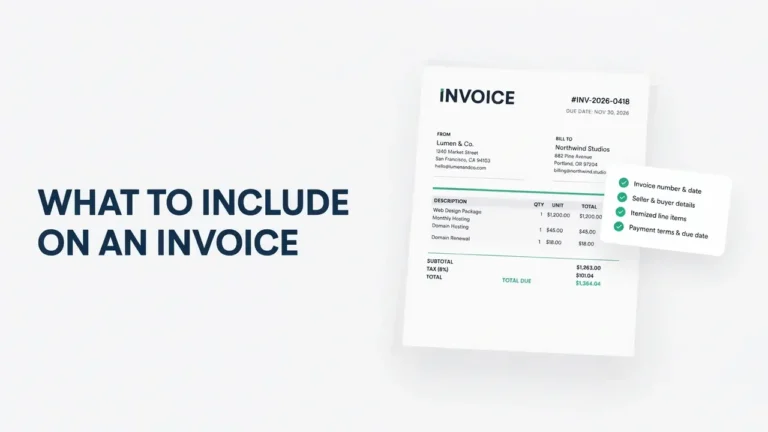
A simple terms block looks like this:
- Terms: Net 30
- Invoice date: October 1
- Payment due: October 31
- Accepted methods: bank transfer, card
Explain any abbreviation the first time you use it. Not every client knows what Net 30 or EOM means. For the full document setup, see how to write an invoice and what to include on an invoice. You can build one in minutes with the free invoice generator.
Best Practices to Get Paid Faster
Good terms only work when the rest of your invoicing supports them. A few habits make a clear difference.
- Send the invoice right away, so the payment clock starts early
- Offer several payment methods to remove friction
- Request a deposit on high-value projects
- Send a polite reminder before the due date
- Use an early payment discount when cash flow is tight
Timing matters as much as wording. A reminder a week before the deadline keeps payments on track. For email structure and timing, see how to send an invoice by email.
Frequently Asked Questions
What are the most common invoice payment terms?
The most common terms are Net 30, Net 15, due on receipt, and CIA (cash in advance). Net 30 is the standard across many industries. The best choice depends on your cash flow and client relationship.
Can I change payment terms after sending an invoice?
Usually no. Payment terms are set before the invoice goes out and cannot change without the client’s agreement. Update your terms before you issue the next invoice instead.
Do net payment terms count business days or calendar days?
Net terms count calendar days, including weekends and holidays. Business days apply only if your agreement states that clearly. Always confirm the exact due date on the invoice.
Can I charge a late fee on an overdue invoice?
Yes, if you state the fee in advance. UK business sellers have a legal right to statutory interest and a fixed sum under the 1998 Act. In the US, late fees are contractual and must follow state usury limits.
What does 2/10 net 30 mean?
It is an early payment discount. The client takes 2% off for paying within 10 days. If they miss that window, the full amount is due within 30 days.
Final Takeaway
Invoice payment terms are a short set of rules with a big impact on cash flow. They tell your client when to pay, how to pay, and what happens if payment is late. Clear terms get you paid faster and protect you if a payment goes overdue.
Choose terms that fit your cash position, not just your client’s preference. Write the exact due date on every invoice and explain any code you use. Set clear invoice payment terms once, and collecting on time becomes far easier.